
Community Science
Get Involved!
If you’re interested in joining any of the projects below, simply sign up to receive email updates and stay in the loop!
Denver Bird Project
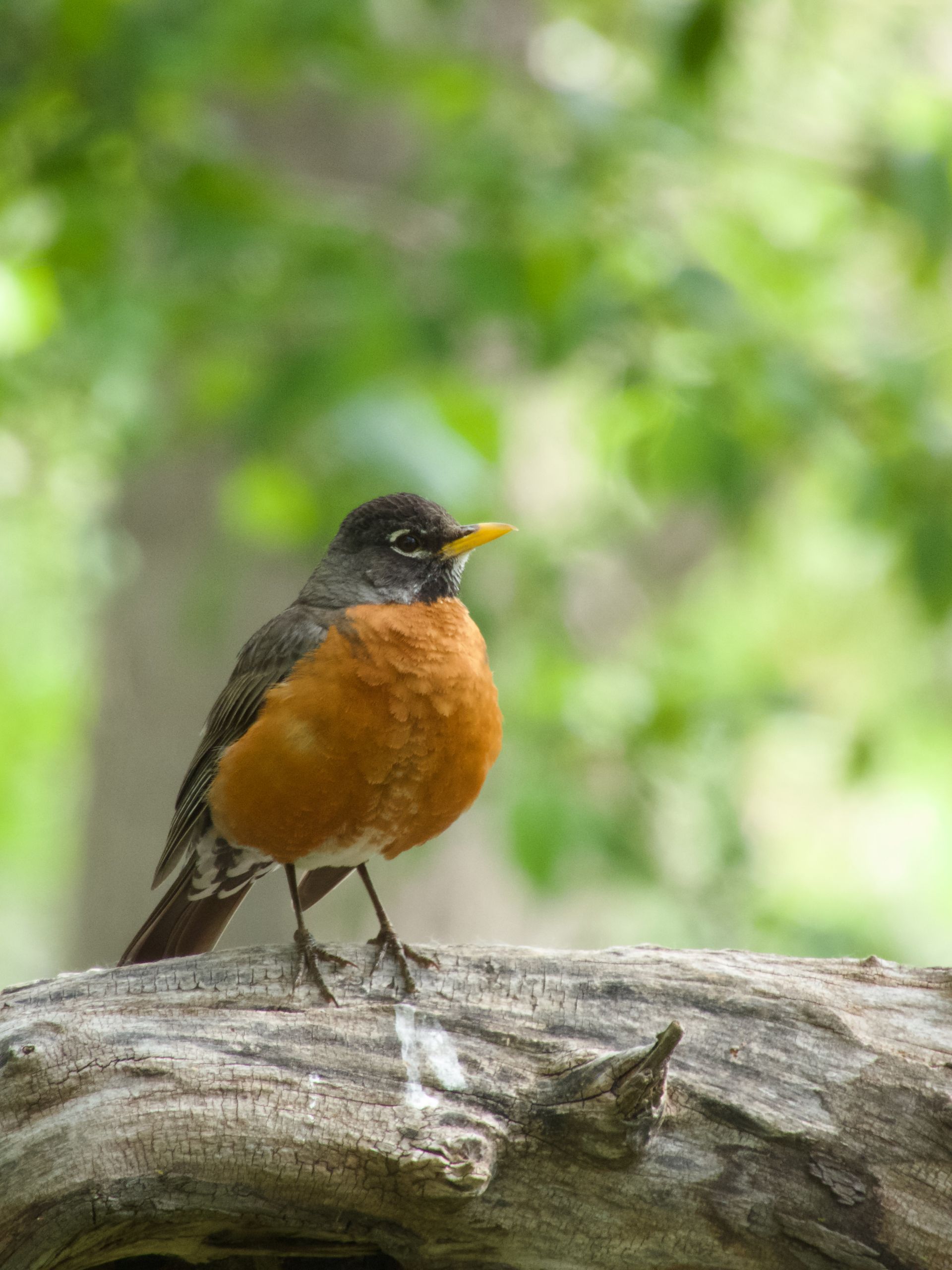
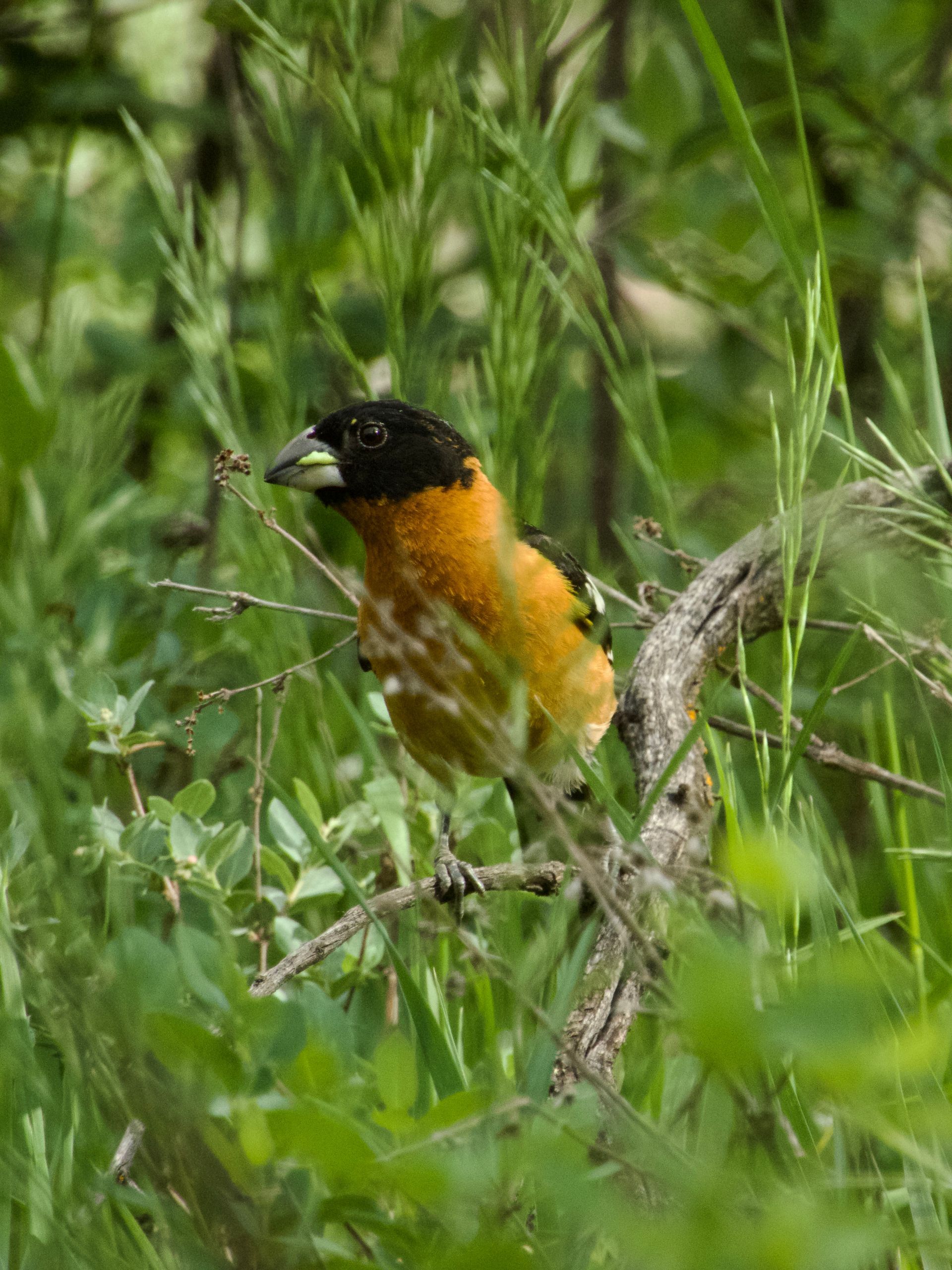
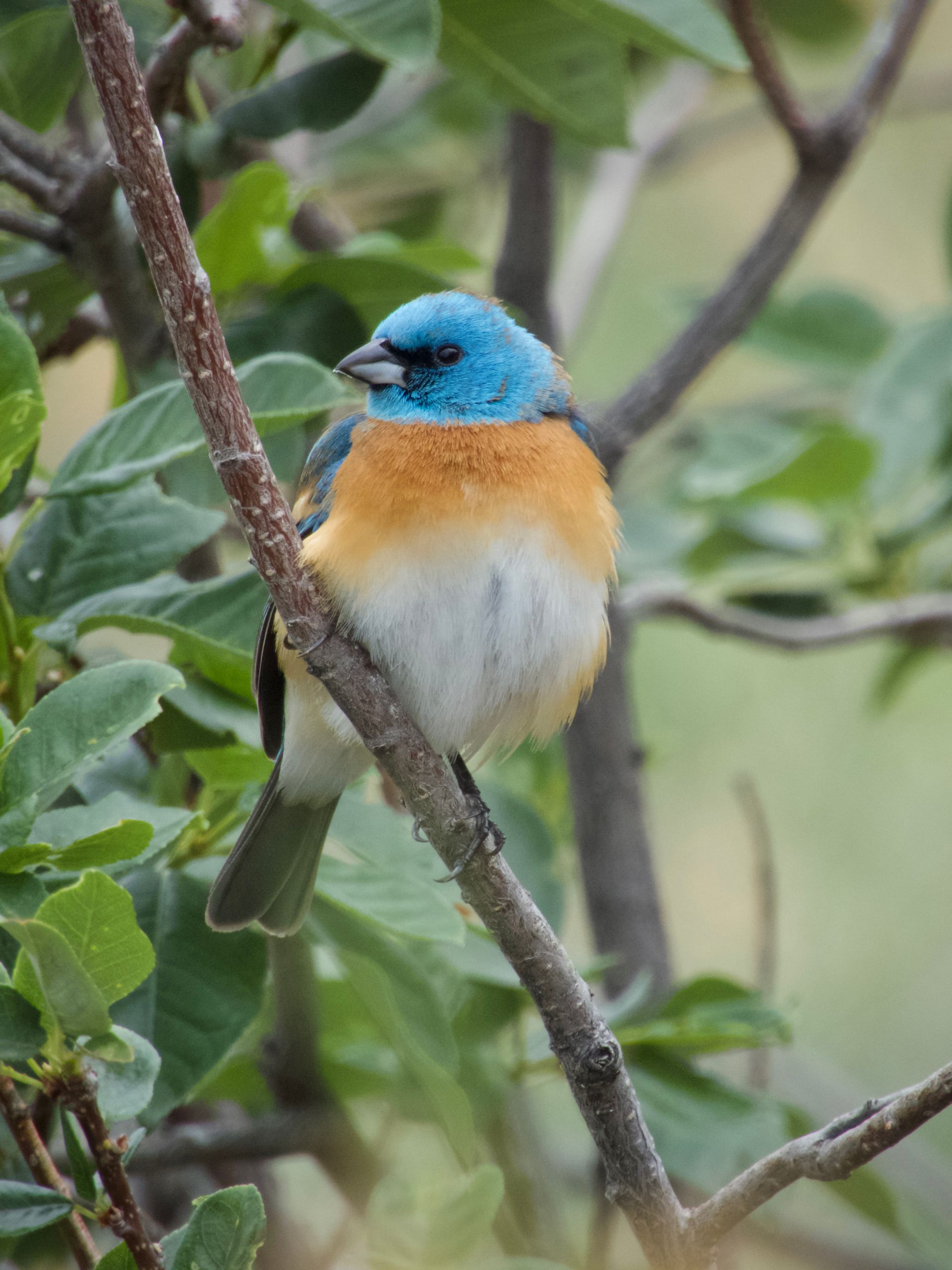
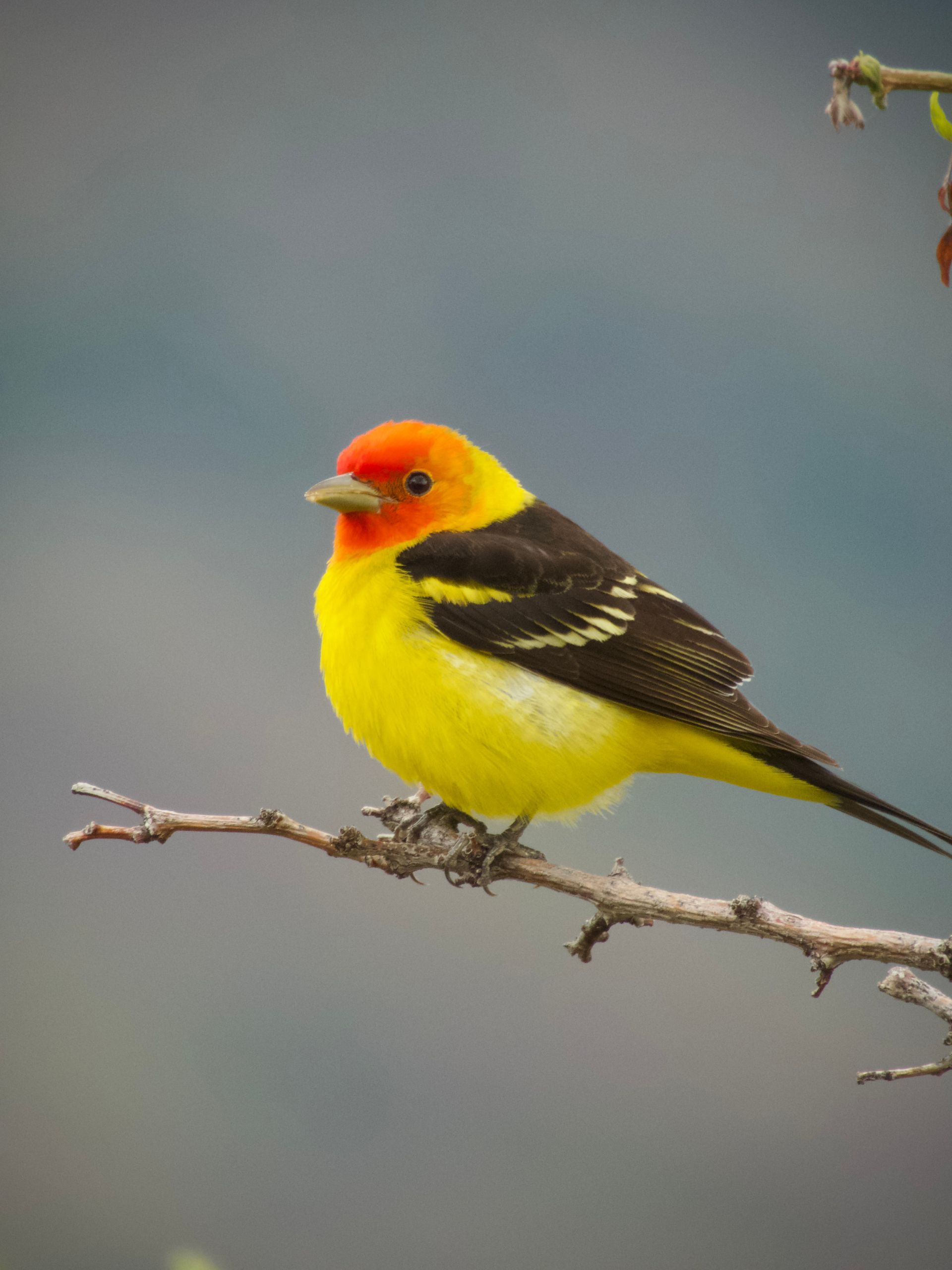
The Denver Bird Project invites community members to step into their local parks and greenspaces and become part of a collective effort to understand and protect Denver’s urban wildlife. By monitoring bird populations across the Metro area, volunteers help tell the story of how birds are using our city—and how we can make it more welcoming for them.
Through simple, monthly bird surveys at a specific site, participants witness the rhythms of the seasons firsthand with birds arriving and departing. Each survey adds to a growing picture of urban bird life, revealing patterns that can guide conservation, habitat protection, and smarter city planning.
Everyone is welcome to join the survey! No previous birding experience is necessary. Please sign up using the button at the top of this page and we'll reach out soon.
This project is modeled after a program run by Birds Connect Seattle. See their inspiring work here! Also inspired by the Bird Alliance of Oregon’s Greenspace Monitoring Program.
Project Purpose
To transform community passion into actionable conservation data by empowering local volunteers to monitor, understand, and protect urban bird populations across the growing Denver metro area.
Project Goals
- Track Urban Bird Populations: Monitor bird species across the Denver metro area to better understand how wildlife utilizes urban spaces and greenspaces.
- Community Empowerment: By providing accessible entry points into scientific research, we bridge the gap between public passion and professional conservation, fostering deep environmental stewardship.
- Build a Metro-Wide Data Picture: Aggregate individual monthly survey data into a centralized Denver Audubon database to reveal long-term trends and wildlife patterns.
- Guide City Planning and Protection: Provide actionable, localized data to help inform future conservation efforts, habitat protection, and smarter urban city planning.
- Document Environmental Changes: Record seasonal rhythms and environmental shifts—such as weather conditions, water levels, and habitat modifications—to see how local wildlife responds over time.
How it Works
- Volunteers conduct monthly surveys along a consistent route, tracking birds for roughly the same amount of time each month.
- Team Leaders guide participants and record the official checklist using eBird, while volunteer participants assist with spotting and counting birds along the way.
- Afterward, the eBird list is shared with Denver Audubon, which aggregates the data into a central database. We then compile this monthly data to track and share overviews of local bird population trends.
Survey Locations
View the map below to view all our current survey locations. Please note that some of these routes will begin in Fall 2026.
Christmas Bird Count
Be part of a century-old tradition! Held annually from December 14 to January 5, the Christmas Bird Count (CBC) is North America’s longest-running community science project. Volunteers count every bird seen or heard within established 15-mile circles, providing critical data for conservation research.
Everyone is welcome! No matter your birding experience, we'd love to have you join us. Denver Audubon hosts the Denver Urban CBC which takes place on Friday, January 1, 2027. Denver Audubon also supports the Douglas County CBC scheduled for Saturday, December 26, 2026.
Sign up on our website to join one of our trips! We'll post registration links early December.
Winter Raptor Surveys
Winter raptor surveys through the Hawk Migration Association of North America are community science projects that monitor populations of raptors—such as hawks, eagles, falcons, and harriers—during the winter months.
The goal is to track long-term population trends and distribution changes of these birds outside the migration and breeding seasons. Volunteers drive pre-determined survey routes across open landscapes, recording all raptors seen along the way. Surveys typically take place between December and February, when raptors are settled in their winter territories.
The data collected help scientists and conservationists understand how land use, climate, and habitat changes affect raptor populations, and they contribute to broader efforts to conserve birds of prey across North America.
Email Jane if you'd like to get involved!
Colorado Bluebird Project
The Colorado Bluebird Project operates under the guidance of Denver Audubon throughout Denver and across the state. This volunteer-run project aims to improve the vitality of bluebird populations and to inform and educate Coloradans about bluebirds. From April through August, volunteers are needed to help monitor the nest boxes.
Project Purpose
To improve the vitality of bluebird populations throughout the state of Colorado and to inform and educate the public about bluebirds.
Project Goals
- Maintain and monitor a network of trails around the Denver Metro area with volunteers
- Partner with other Colorado Audubon chapters and cities to set up their own bluebird monitoring programs
- Provide education and information to other groups and individuals around the state who are interested in installing and monitor new nestbox trails in suitable habitat throughout Colorado
- Analyze and share data on how bluebirds are faring to encourage conservation action.
NestWatch
We strongly encourage all nest box monitors in Colorado to report your observations and results to NestWatch. NestWatch provides a suite of standard reports that allow you to look at your data in a variety of ways. You can use the app on your phone in the field or enter your data on a home computer.
One of the biggest benefits is that your data becomes part of the world of information in NestWatch. The data from your nest records can be aggregated in many ways by folks who are managing or researching nest box data at group, state, region, species or even country-wide level.
Just visit NestWatch.org to get started!
Climate Watch
Audubon’s Climate Watch program is a community science initiative that engages volunteers in tracking how bird species are responding to climate change. Participants survey specific target birds—mostly bluebirds, towhees, nuthatches, and goldfinches—within defined 10x10 km grid cells during winter and summer seasons. The data help Audubon test and refine its climate models that predict how birds’ ranges may shift as the climate changes, guiding future conservation efforts and habitat planning.
Surveys take place twice a year:
- Winter season: January 15 – February 15
- Summer season: May 15 – June 15
These windows align with periods when target bird species are most detectable and stationary within their seasonal ranges, helping ensure consistent data for climate modeling.
Our 2026 survey season has officially wrapped up! A huge thank you to everyone who participated. If you're interested in joining us for future surveys or want to stay in the loop for next season, please reach out to Jane,
Dinosaur Ridge Hawk Watch
We are a supporting partner of the Dinosaur Ridge Hawk Watch, a project of Denver Field Ornithologists (DFO). DFO works with the Hawk Migration Association of North America (HMANA), a non-profit organization, to count migrating hawks, eagles, falcons and other raptors each Spring. This important community science project not only tallies bird numbers—it also teaches participants how to identify these magnificent birds of prey and note their behavioral traits.
Dinosaur Ridge is a window into the seasonal movement of birds of prey over Colorado's Front Range. These raptors migrate in the spring along the eastern edge of the Rockies in part because mountain updrafts enable them to soar, which conserves energy during their long journeys north to their breeding grounds.
The Dinosaur Ridge Hawk Watch begins March 1 and runs through May 10, with daily observation periods. Visit the Dinosaur Ridge Hawk Watch site to learn more about how you can visit or volunteer.
Lights Out Denver
We are a supporting partner of the Lights Out Denver initiative, led by Denver Parks and Recreation. Part of Denver’s commitment as an Urban Bird Treaty City, the program aims to increase awareness of migratory bird collisions with buildings in the City and County of Denver and to promote practices that can help prevent these needless deaths. This program collects data on bird strikes in downtown Denver during Spring and Fall migration to demonstrate the necessity of bird-friendly building regulations. Lights Out Denver also provides information on how individuals, businesses, and property managers can help reduce migratory bird deaths.
Our goal is to help local businesses save energy, money, and migratory birds by reducing nighttime lighting and by promoting bird-safe building designs. Visit the Lights Out Denver page to learn more!
FeederWatch
FeederWatch engages people in observing birds and mammals that visit backyards, nature centers, community areas, and other locations anywhere in the U.S. and Canada. You choose the location, when to count, and how much time to observe. Joining the FeederWatch community is fun, educational, and rewarding—your observations provide unique insight into the lives of backyard birds and help us track avian populations over time.
Great Backyard Bird Count
The Great Backyard Bird Count (GBBC) takes place across the world each February. The GBBC is a community science project where anyone can participate by counting the birds they see in their backyard (or a nearby park) and reporting the data online. Whether you’re a seasoned birdwatcher or a beginner, your observations are valuable for conservation!
How to participate:
- Watch birds for 15 minutes or more, at least once over the four days of the count. Identify all the birds you see or hear within your planned time/location.
- Use the best tool for sharing your bird sightings:
- If you are a beginning bird admirer and new to bird identification, try using the Merlin Bird ID app to report what birds you are seeing or hearing.
- If you have participated in the count before and want to record numbers of birds, try the eBird Mobile app or enter your bird list on the eBird website (desktop/laptop).
- If you already use Merlin or eBird, all entries over the 4 days count towards GBBC.
If you’d like to participate in the GBBC with a group, we would love to have you join one of our field trips around the Denver area! Check out our event calendar to see all of the bird walks taking place during the count.
City Nature Challenge
The City Nature Challenge is an annual four-day global bioblitz at the end of April, where cities are in a collaboration-meets-friendly-competition to document the nature - any WILD plant, animal, fungi, or other evidence of life - in their areas.
Observations are shared through iNaturalist, a free and easy-to-use app. If it’s planted or taken care of by people, mark it as captive/cultivated!