
The Lois Webster Fund
Supporting research, education, and conservation for Colorado's nongame wildlife.
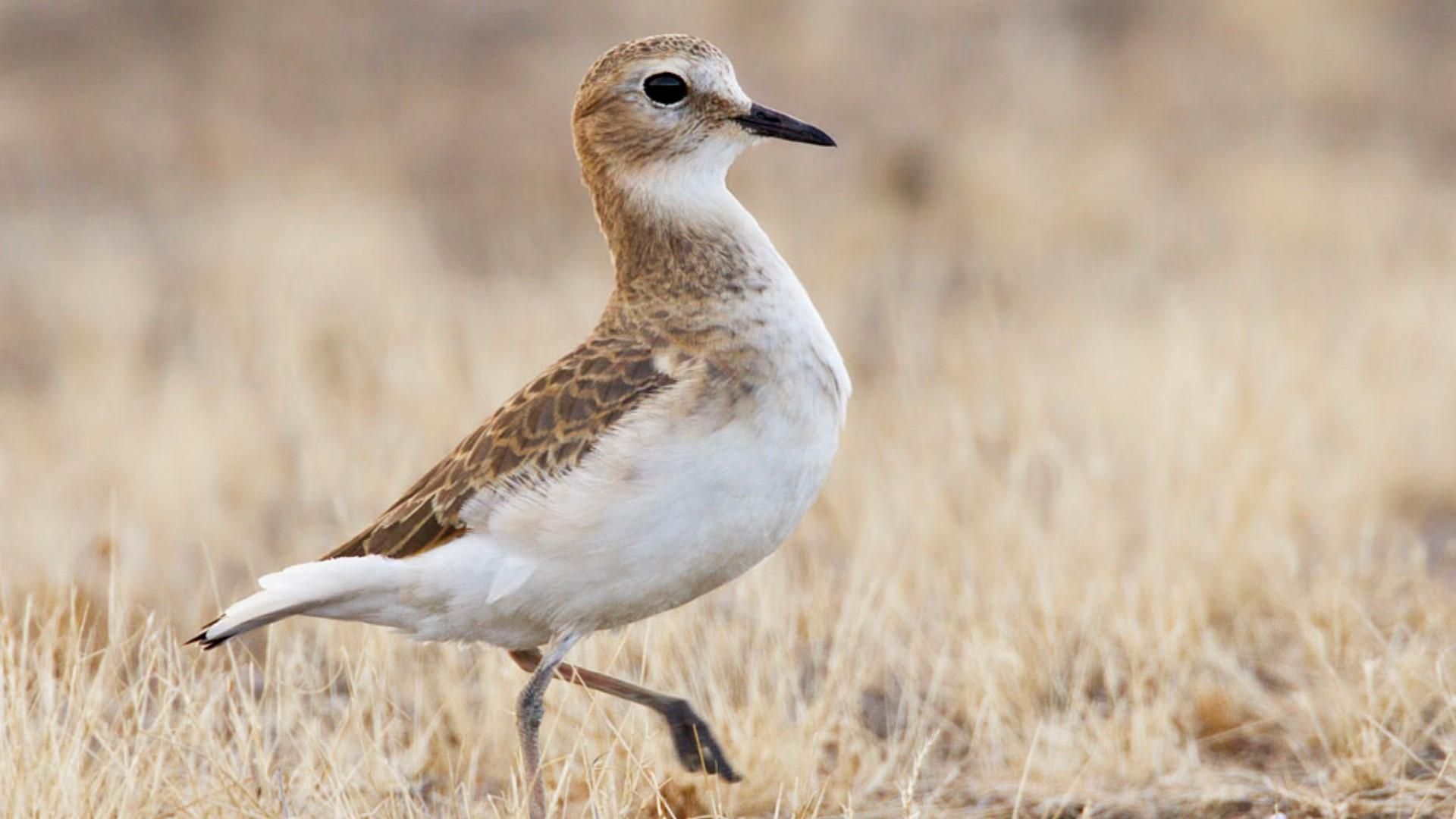
Colorado's wildlife is part of what makes our state extraordinary. From birds that nest on the shortgrass prairie to native fish swimming in our rivers and streams, these species depend on healthy habitats—and on the knowledge and dedication of people working to protect them.
Since 1995, the Lois Webster Fund, a program of Denver Audubon, has supported research and education projects that advance our understanding of Colorado's nongame wildlife and contribute to the conservation of these species and their habitats.
Through grants to researchers, educators, nonprofit organizations, and public agencies, the Fund helps turn important questions into scientific discoveries, educational opportunities, and meaningful conservation action.
A Legacy of Conservation
Honoring Lois Webster's Vision
The Lois Webster Fund began with one woman's belief in the importance of protecting Colorado's native wildlife—and a dream of supporting the research and education needed to make that protection possible.
In 1995, on Lois Webster's 75th birthday, her friends and family contributed the gifts that established the Fund and brought her vision to life.
More than three decades later, her legacy continues through the researchers, educators, students, and conservation partners whose projects receive support from the Fund.
Every project builds on that original vision: expanding our understanding of Colorado's nongame wildlife, sharing that knowledge with others, and helping ensure that these species and their habitats are conserved for future generations.
SMALL GRANTS. LASTING IMPACT.
The Lois Webster Fund
Conserving wildlife begins with understanding it.
As Colorado's landscapes change and development places increasing pressure on natural habitats, research and education are essential to protecting the species that call our state home.
The Lois Webster Fund supports projects that address important conservation questions, engage people in scientific discovery, and provide practical knowledge to protect and restore wildlife populations and habitats.
Our grants often represent just one part of a larger project budget. By supporting collaborative efforts and leveraging additional resources, even modest investments can contribute to conservation outcomes that extend well beyond the initial grant.
Three pillars of impact.
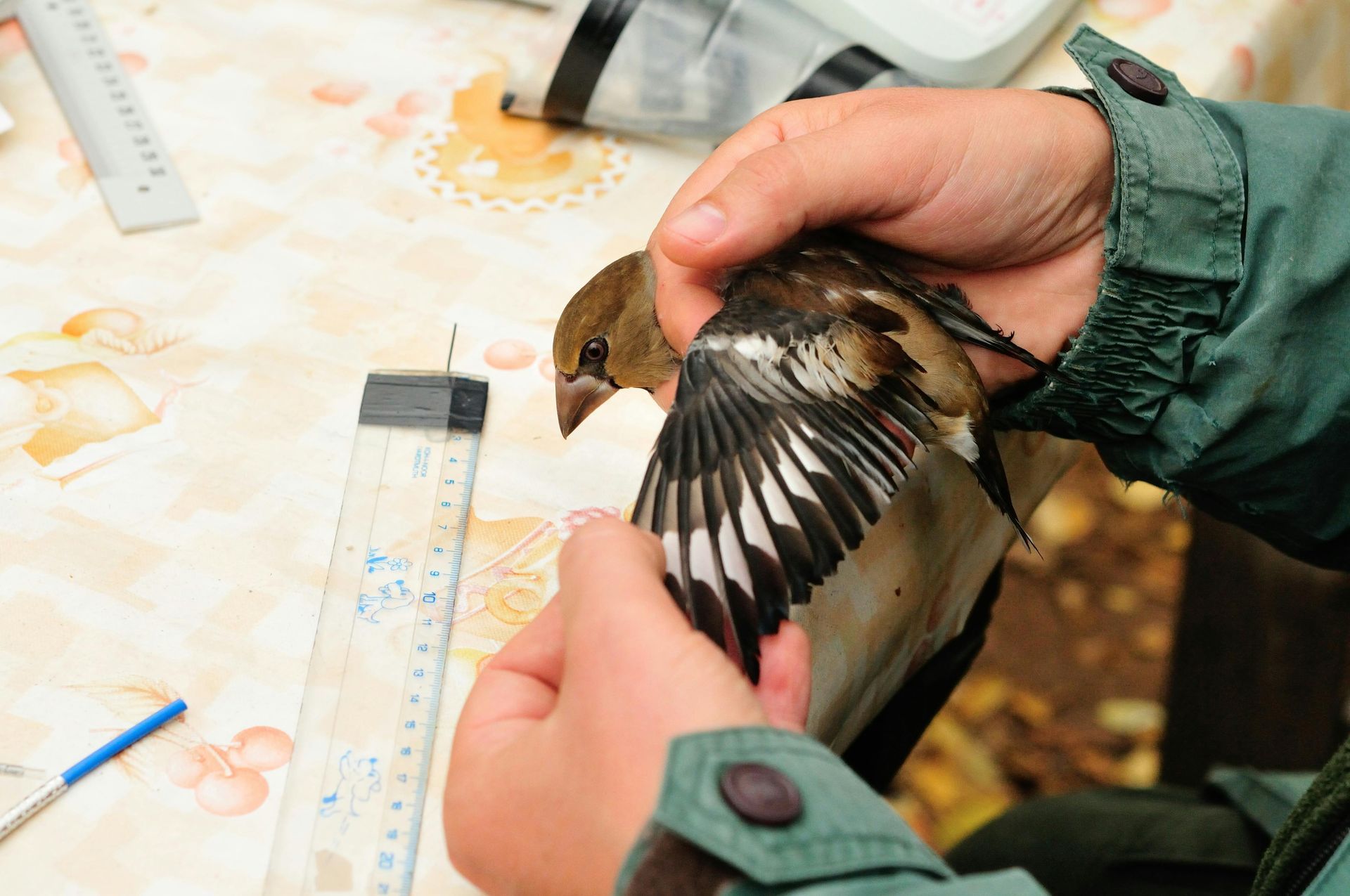
Research
Answering important questions about wildlife and habitat needs.
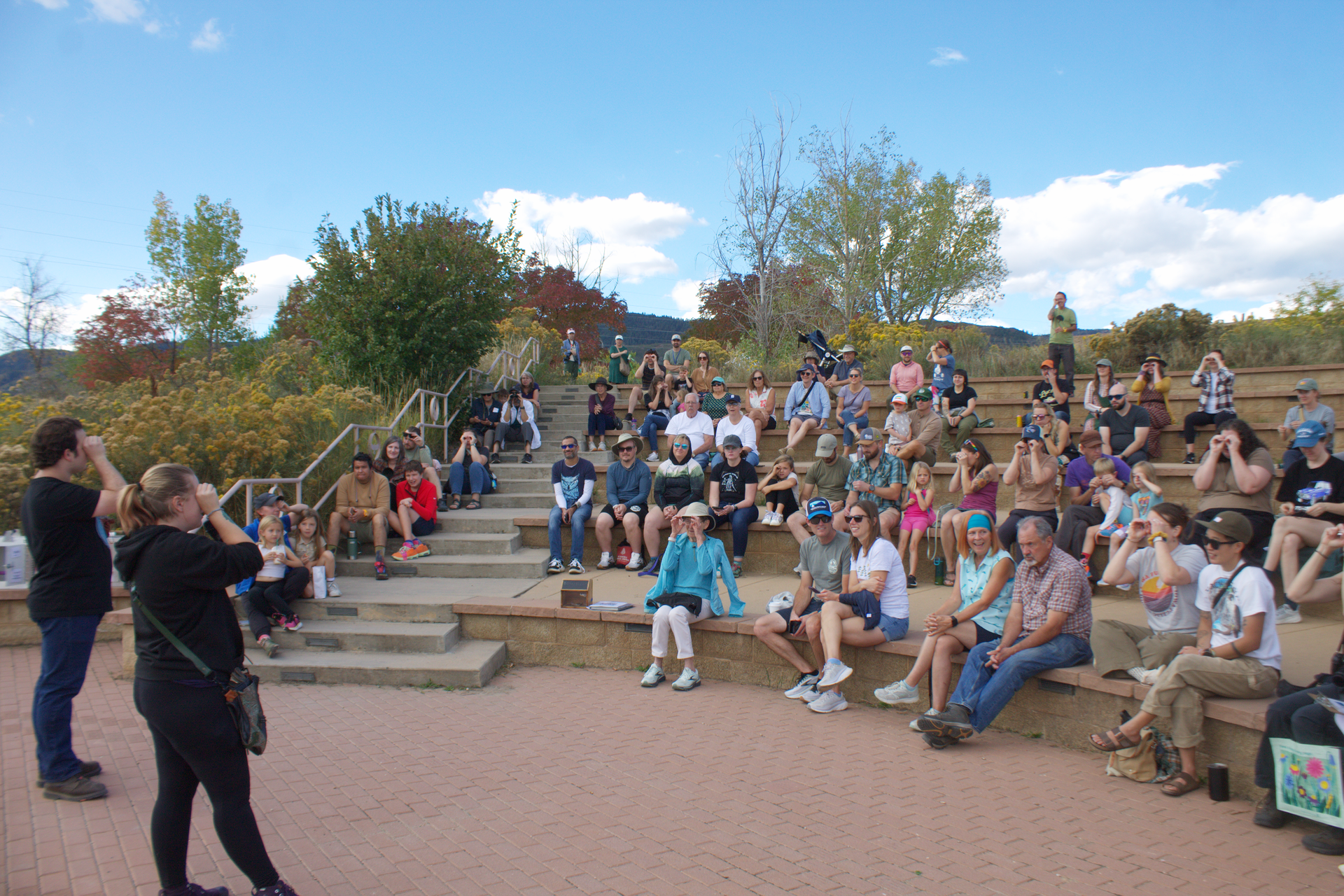
Education
Engaging learners in hands-on conservation science.
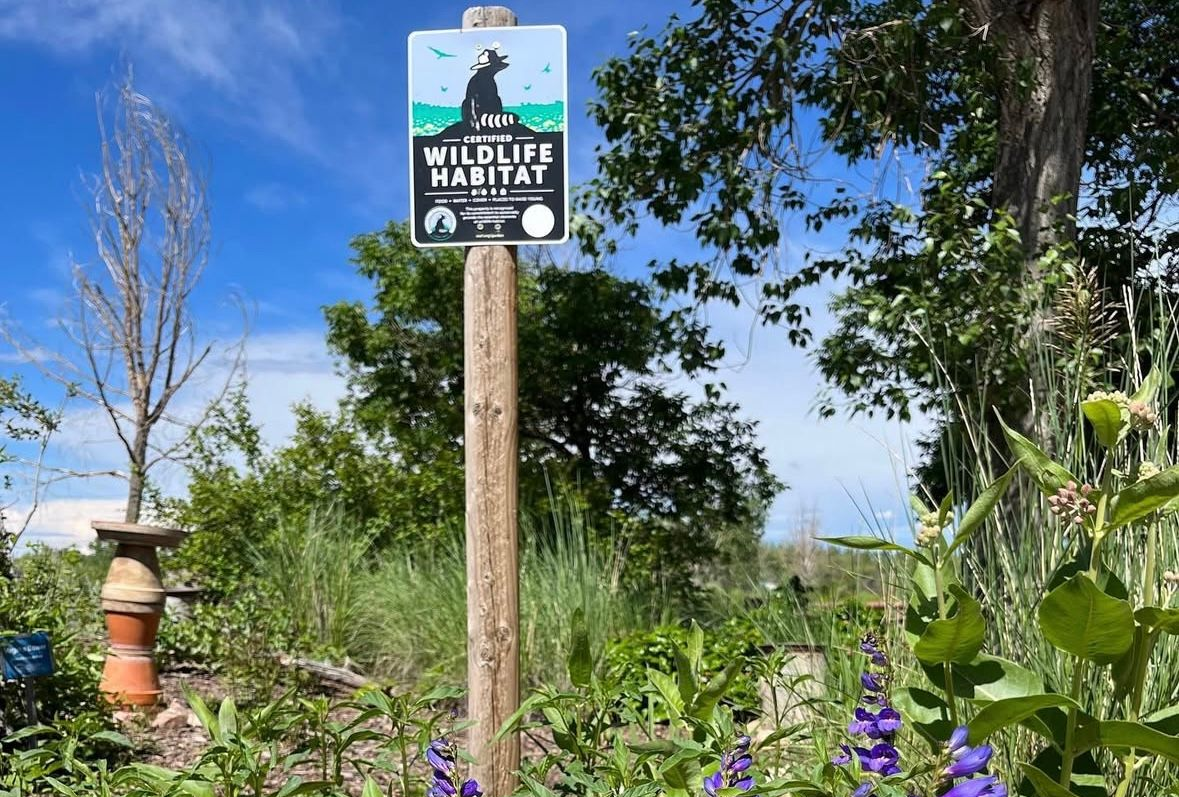
Conservation
Turning scientific knowledge into habitat protection.